Introduction
What is Laparoscopic Cholecystectomy?
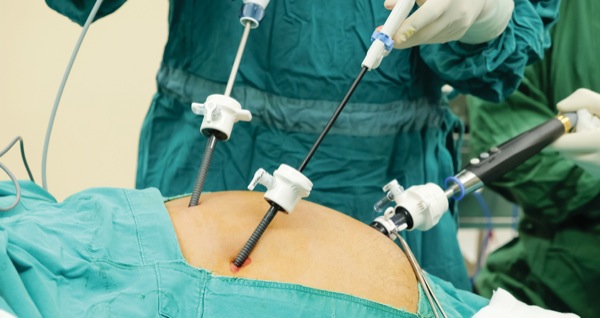
Laparoscopic cholecystectomy is a minimally invasive surgical procedure to remove the gallbladder. The gallbladder is a small organ located under the liver, and it stores bile, a digestive fluid produced by the liver. This procedure is often recommended for individuals with gallstones or other gallbladder-related issues.
Why is it Done?
- Gallstones: Hardened deposits of digestive fluid that can cause pain, infection, or blockages.
- Cholecystitis: Inflammation of the gallbladder.
- Biliary Dyskinesia: Poor functioning of the gallbladder.
- Pancreatitis: Inflammation of the pancreas caused by gallstones.
Benefits of Laparoscopic Surgery
- Minimally Invasive: Small incisions mean less pain and quicker recovery.
- Faster Recovery: Most patients can go home the same day or the next day.
- Less Scarring: Smaller incisions result in less visible scars.
- Reduced Risk of Complications: Lower risk of infection and complications compared to open surgery.
How is the Procedure Done?
- Preparation: You’ll be given general anesthesia to put you to sleep during the surgery.
- Incisions: The surgeon makes a few small incisions in your abdomen.
- Insertion of Instruments: A tiny camera (laparoscope) and surgical instruments are inserted through the incisions.
- Removal of Gallbladder: The gallbladder is carefully detached and removed.
- Closing Incisions: The incisions are closed with sutures or staples.